How to Keep Your Cool Room Running Efficiently Year-Round
18 December 2025
Learn simple ways to keep your cool room stable, energy friendly and dependable through every season.
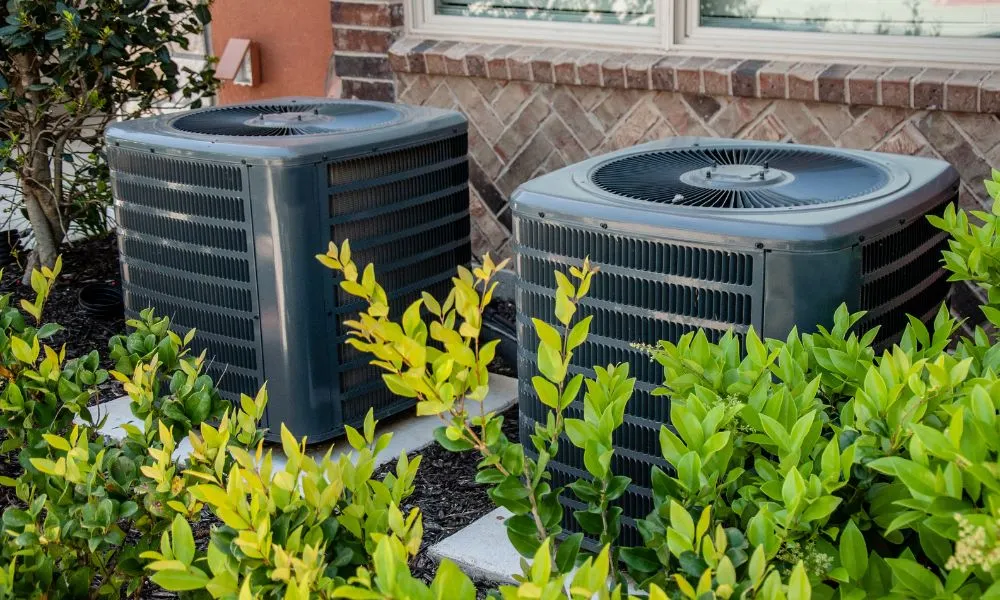
Feeling the pinch with your energy bills thanks to your heating and cooling? You’re certainly not on your own. Actually, HVAC systems chew through nearly 40% of home energy use right here in Australia.
But don’t stress, we’ve got you covered with some top-notch advice to make your HVAC system run more efficiently – saving you a few bob and helping our planet along the way. Ready to get into it? Let’s crack on!
Understanding HVAC system energy efficiency requires proper system sizing, regular maintenance, and smart thermostat controls. Upgrading to energy-efficient equipment and optimising air distribution are also key factors.
Choosing the right size for our HVAC system is crucial for heating and cooling efficiency. An oversized unit uses too much energy, while an undersized one struggles to maintain comfortable temperatures.
We rely on professional load calculations to determine the best fit. This process considers our home’s layout, insulation levels, window sizes, and more.
We make sure load calculations are accurate to optimise energy consumption and indoor air quality. Proper HVAC sizing ensures that we get effective temperature control without unnecessary energy use.
It’s a step towards reducing our heating and cooling costs while also contributing to environmental sustainability.
To keep your HVAC system running efficiently, regularly maintain and clean it. Here are some steps to ensure your HVAC system stays in top condition:
To enhance the efficiency of your HVAC system, consider upgrading to energy-efficient equipment. This includes investing in modern air conditioners and furnaces with high Seasonal Energy Efficiency Ratio (SEER) ratings for better cooling and heating performance.
Moreover, replacing old ductwork with properly sealed and insulated ducts can significantly reduce energy loss. Upgrading to smart thermostats that allow programmed temperature adjustments based on occupancy can also lead to substantial energy savings.
In addition, incorporating these upgrades along with routine maintenance for HVAC systems ensures optimal functionality and reduced energy consumption. By focusing on mechanical repairs, sizing HVAC systems accurately, sealing and insulating ducts effectively, as well as using smart thermostats efficiently, homeowners can achieve a more cost-effective and sustainable approach towards heating and cooling their homes.
Smart thermostat controls are an effective way to optimise HVAC energy usage. By programming the thermostat to adjust temperatures based on when you’re home or away, you can save on heating and cooling costs.
Additionally, setting your thermostat a few degrees higher in summer and lower in winter can make a significant impact on energy consumption without compromising comfort. Regularly checking and replacing air filters is also crucial for efficient HVAC operation.
Implementing smart thermostat controls allows for precise temperature management and reduces unnecessary energy expenditure. Programming the thermostat to match your schedule ensures that your HVAC system only operates when needed, ultimately leading to substantial cost savings while maintaining indoor comfort levels.
Optimising air distribution and ventilation is vital for efficient HVAC operation. Regularly clean and inspect ductwork to ensure proper airflow. Consider installing programmable thermostats to manage ventilation effectively, helping you save on energy costs.
Moreover, maintaining optimal indoor air quality by monitoring humidity levels and regularly changing air filters contributes to a healthy living environment. This also ensures that your HVAC system runs at peak efficiency, enhancing comfort in your home.
Upgrading to energy-efficient equipment can further enhance the performance of your system, providing better heating and cooling while reducing energy consumption.
Optimise HVAC operation by adjusting temperature settings and using setback features to reduce energy consumption. Enhance efficiency through natural ventilation, daylighting, humidity management, and regular air filter maintenance.
To optimise your HVAC system’s energy efficiency, consider temperature and setback optimisation. Set your thermostat to a lower temperature in winter and a higher temperature in summer when the house is unoccupied to save energy. Use a programmed thermostat to automatically adjust the temperature based on your schedule and preferences. Install ceiling fans to help circulate air and make the space feel cooler in the summer and warmer in the winter. Ensure
proper insulation throughout your home to maintain consistent temperatures and reduce energy waste.
Open your windows during the cooler parts of the day to let fresh air in. Use ceiling fans to improve airflow and circulation inside your home. Make use of natural daylight by keeping curtains and blinds open.
Create a bright and airy atmosphere indoors for fewer lighting needs during the day. Consider installing skylights or light tubes to bring more natural light into darker areas of your home.
Maximise the use of daylight as much as possible to reduce reliance on artificial lighting sources, saving energy and costs.
Maintain humidity levels between 30-50% for comfort and to prevent mould growth. Use exhaust fans in bathrooms and kitchens to reduce moisture buildup. Check the HVAC system for proper dehumidification and consider using a dehumidifier if needed.
Inspect windows, doors, and insulation for any leaks or condensation issues. Regularly clean air filters to help control humidity levels.
Insulation and air filters play a significant role in HVAC energy efficiency. Here’s how to optimise them:
Explore modern HVAC technologies that enhance energy efficiency, and discover how these innovations can transform your heating and cooling system. Learn more about cutting-edge solutions to optimise your home’s comfort in our upcoming blog post.
Variable speed drives and modulating controls in HVAC systems adjust the fan and compressor speeds according to the heating or cooling demand, saving energy by running at lower speeds when full capacity is not needed.
These technologies allow for precise control over the system, adapting to changing conditions and maximising efficiency. By investing in variable speed drives and modulating controls, homeowners can significantly reduce energy consumption while maintaining optimal comfort levels inside their homes.
Moving forward, we will discuss “Heat recovery and energy recycling systems” as another advanced technology for enhancing HVAC energy efficiency.
We can improve HVAC energy efficiency by using heat recovery and energy recycling systems. These systems capture waste heat from various processes or equipment, such as air conditioners, and repurpose it for heating water or air.
This reduces the need for additional energy, resulting in lower utility bills and decreased environmental impact.
Energy recycling also involves technologies like exhaust air heat pumps that extract heat from stale indoor air before it’s expelled outside and use it to warm incoming fresh air. By implementing these systems, we can significantly enhance our HVAC system’s overall efficiency while contributing to a sustainable environment.
Implementing building automation and energy management systems can significantly enhance HVAC efficiency. These systems help in regulating heating, cooling, and ventilation based on actual demand, thus reducing energy wastage.
Through automated controls and scheduling, these systems ensure that your HVAC operates optimally while minimising unnecessary energy consumption. Additionally, energy management systems provide real-time monitoring and data analysis to identify areas for improvement, allowing for proactive adjustments to further enhance energy efficiency.
Investing in building automation and energy management systems offers homeowners the opportunity to gain better control over their HVAC system’s performance while simultaneously reducing overall energy costs.
Optimise your HVAC system by installing demand-based ventilation and occupancy sensors. These technologies adjust airflow based on real-time occupancy and environmental conditions, reducing energy waste.
By incorporating these systems, you can enhance comfort levels while minimising unnecessary heating and cooling.
With demand-based ventilation and occupancy sensors, you’ll efficiently manage airflow in your home, promoting better energy usage without compromising comfort.
Building occupants play a crucial role in preserving HVAC energy efficiency. Simple habits like turning off lights and electronics when not in use, closing doors and windows to maintain indoor temperatures, and reporting any HVAC system
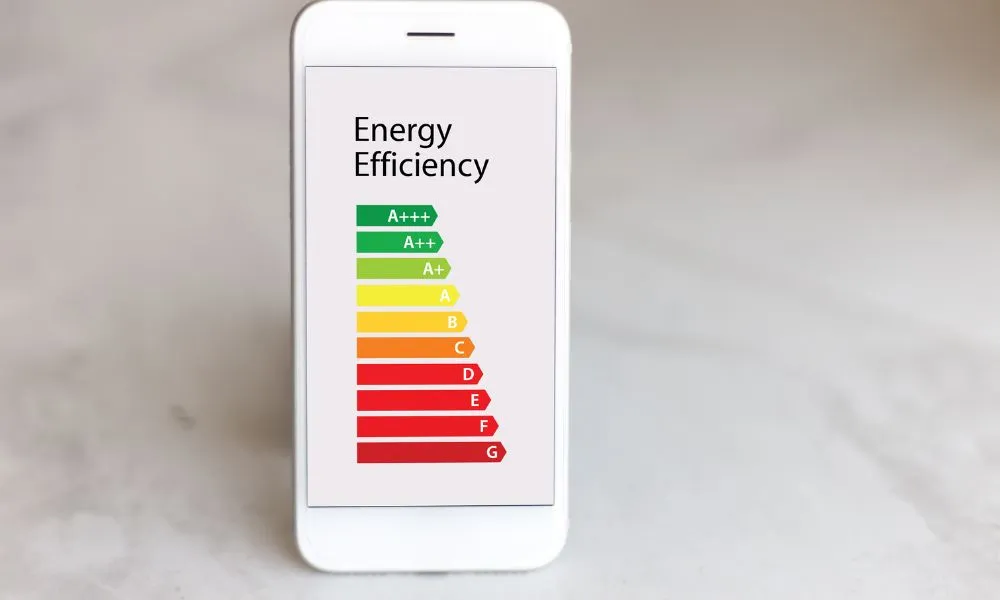
malfunctions promptly can make a significant difference.
Additionally, being mindful of energy consumption and following recommended guidelines for thermostat settings can help optimise overall energy usage within the building.
Encouraging a culture of energy consciousness amongst building occupants through educational initiatives about the importance of their role in conserving energy will further contribute to maintaining efficient HVAC operations.
It is vital that everyone understands how small adjustments
to their daily routine can collectively lead to substantial long-term savings in energy costs while reducing environmental impact.
We’ve seen remarkable success with energy efficiency upgrades in HVAC systems, resulting in substantial cost savings and environmental benefits for homeowners. One notable case involved the installation of smart thermostat controls and upgrading to energy-efficient equipment.
This upgrade led to a 20% reduction in energy consumption while maintaining optimal comfort levels, showcasing the tangible impact these enhancements can have on both energy bills and overall satisfaction.
Another case study highlighted the implementation of demand-based ventilation and occupancy sensors, which resulted in a 30% decrease in HVAC-related energy usage without sacrificing indoor air quality.
These real-life examples demonstrate how practical upgrades can make a significant difference, underscoring the potential for similar improvements in other homes.
In another instance, integrating variable speed drives and modulating controls into an existing system led to a 25% reduction in energy consumption during peak operating hours, illustrating how advanced technologies can bring about substantial efficiency gains over time.
These cases serve as compelling evidence that investing in energy-efficient upgrades is not only beneficial for cost savings but also contributes positively towards reducing environmental impact by lowering overall carbon emissions associated with heating and cooling systems.
In enhancing HVAC efficiency, we have covered key strategies and technologies. Proper sizing, regular maintenance, and smart controls are vital. Energy-saving practices like temperature optimisation and natural ventilation offer significant benefits.
Embracing advanced technologies such as variable speed drives and energy recovery systems can maximise efficiency. Building occupants play a crucial role in maintaining an efficient HVAC system.
Successful case studies underscore the impact of energy-efficient upgrades in real-life scenarios.
18 December 2025
Learn simple ways to keep your cool room stable, energy friendly and dependable through every season.
1 November 2025
Get ready for the next heatwave with easy steps to keep your home cool and energy efficient. Prepare your air conditioner and improve comfort before summer arrives.
27 September 2025
Upgrade comfort in older properties with practical ways to install modern air conditioning that improves efficiency and airflow across Newcastle and the Hunter.
Questions about your own system, or thinking about an upgrade? Send an enquiry and the team will come back to you promptly. New installations start with a free quote.
Tell us what you need and the team will respond promptly, usually with the next step or a free quote.