
How to Keep Your Cool Room Running Efficiently Year-Round
18 December 2025
Learn simple ways to keep your cool room stable, energy friendly and dependable through every season.
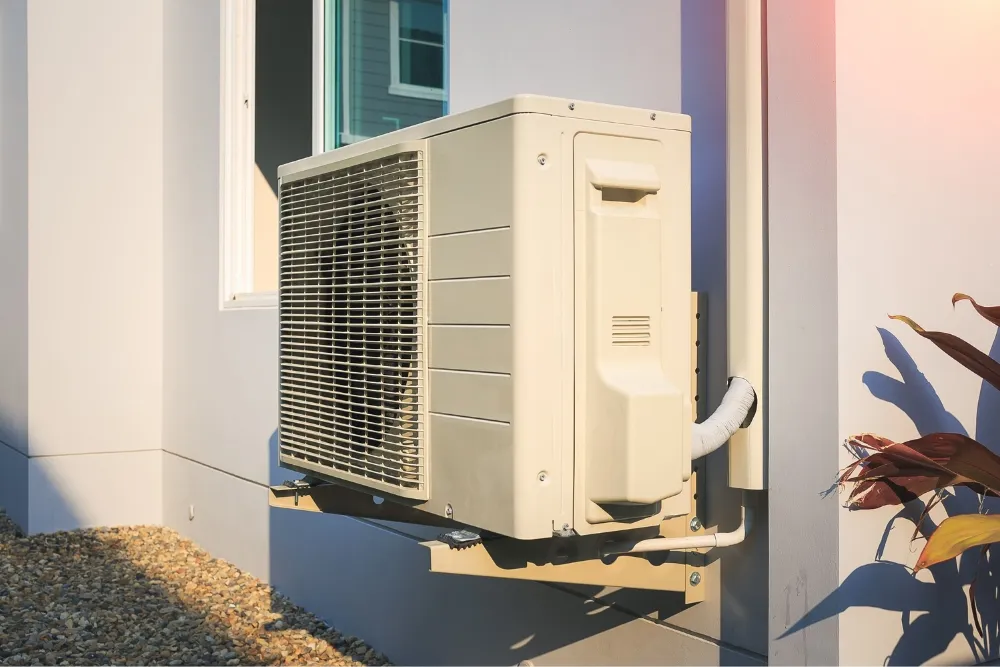
Balancing air conditioning and natural ventilation comes down to using each at the right time. In Newcastle and the Hunter, the weather can shift quickly from a cool coastal breeze to warm, humid air. On mild days, open your windows to refresh indoor air and reduce energy use. When the temperature rises or humidity increases, your air conditioner helps maintain comfort and stable air quality.
Switching between both methods at the right time keeps your home comfortable, energy efficient, and filled with fresh air throughout the year.
Air conditioning is most effective during extreme heat, humidity, or cold conditions. It keeps your home comfortable when outdoor air feels heavy or sticky. However, using it too often can increase energy use and limit air freshness when windows stay closed.
Natural ventilation works best when outdoor temperatures are mild and humidity is low. Open your windows in the early morning or late evening to let cool air move through your home. During the warmer hours, close windows and curtains to keep the cooler air inside and maintain comfort using your air conditioner.
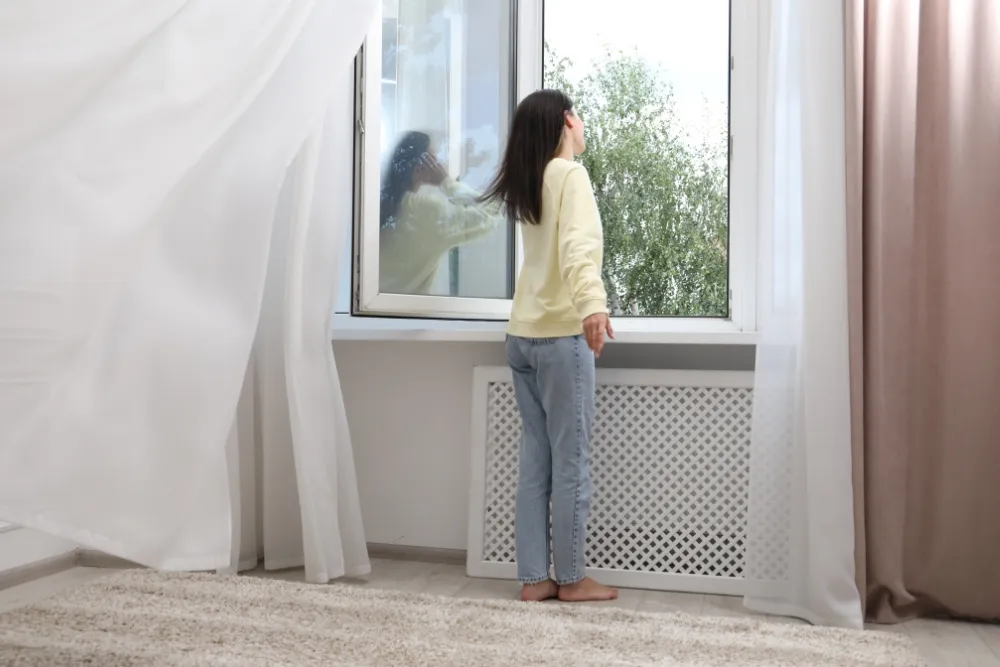
Many older homes in Newcastle have high ceilings and large windows, which are ideal for natural airflow. Opening windows on opposite sides of your home allows air to move through and carry stale air outside. This natural flow helps cool your home and keeps indoor air fresher.
If your home has limited window openings, ceiling fans or vented skylights can improve airflow. These options work well with your air conditioner to maintain even temperatures without overloading the system.

Modern air conditioning systems can work efficiently when used with good ventilation habits. Instead of running your unit all day, use it only when outdoor air becomes too warm or humid. This approach keeps your home comfortable while reducing energy use.
If you have a ducted system, make sure return air filters are clean and vents are clear. This improves performance and helps your system circulate cleaner air throughout your home. A well-maintained system works better and keeps your indoor environment more comfortable.
Humidity has a major impact on how comfortable your home feels. When outdoor air is humid, using your air conditioner helps remove excess moisture and prevents mould from forming. On dry days, natural ventilation can refresh your home and stop the air inside from feeling too dry.
To maintain good indoor air quality, open your windows from time to time to allow fresh air to move through your home. Focus on bedrooms and living areas where people spend the most time. This simple habit helps create a cleaner and more comfortable indoor environment.
If your current system struggles to keep your home comfortable, an upgrade may help improve performance and reduce energy use. Modern reverse cycle systems provide more efficient temperature control and operate with less power than older units.
For professional advice on air conditioning upgrades or improving airflow at home, our team offers expert installation and maintenance across Newcastle and the Hunter. We can recommend systems that suit your home’s layout and make the most of natural ventilation.

Balancing air conditioning with natural ventilation is about more than saving power. It helps create a healthier, more comfortable living space that suits Newcastle’s changing weather. Open your home to the breeze when outdoor conditions are pleasant, and rely on your air conditioner when temperatures rise or humidity increases.
With a little planning and the right setup, you can enjoy consistent comfort and better air quality throughout the year while keeping energy use under control.
Use natural airflow when outdoor air feels cool and dry. When humidity rises or temperatures climb, close windows and switch to air conditioning to keep indoor air comfortable.
Yes. Allowing fresh air to move through your home helps remove stale air and improves indoor air quality. It also reduces the build-up of moisture and odours.
Persistent condensation on windows, musty smells, or uneven room temperatures often suggest poor ventilation. Opening windows regularly or adding vents can help.
Good airflow lowers indoor humidity, which makes it harder for mould to grow. Combining proper ventilation with controlled air conditioning keeps surfaces dry and air cleaner.
Using natural airflow during cooler times of day means your air conditioner runs less often. This approach helps maintain comfort while reducing power use over time.
18 December 2025
Learn simple ways to keep your cool room stable, energy friendly and dependable through every season.
1 November 2025
Get ready for the next heatwave with easy steps to keep your home cool and energy efficient. Prepare your air conditioner and improve comfort before summer arrives.
27 September 2025
Upgrade comfort in older properties with practical ways to install modern air conditioning that improves efficiency and airflow across Newcastle and the Hunter.
Questions about your own system, or thinking about an upgrade? Send an enquiry and the team will come back to you promptly. New installations start with a free quote.
Tell us what you need and the team will respond promptly, usually with the next step or a free quote.