How to Keep Your Cool Room Running Efficiently Year-Round
18 December 2025
Learn simple ways to keep your cool room stable, energy friendly and dependable through every season.

When temperatures rise across Newcastle and the Hunter, homes and air conditioning systems work harder than usual. Extreme heat can quickly make indoor spaces uncomfortable and push systems beyond their limits.
Without preparation, you may face poor cooling, high energy costs, or even system breakdowns when you need relief the most. The combination of humidity and coastal heat can make it difficult to stay comfortable, especially during long heatwaves.
Taking a few simple steps before the next heatwave can make a big difference. Checking your air conditioning system, improving airflow, and sealing the home properly helps maintain comfort, reduce strain on your system, and lower energy use during the hottest days.
Before the heat peaks, make sure your air conditioning system is ready to handle the load. Turn it on for a short test run and check that cool air is flowing evenly through every room. Listen for unusual sounds and confirm the controls respond properly.
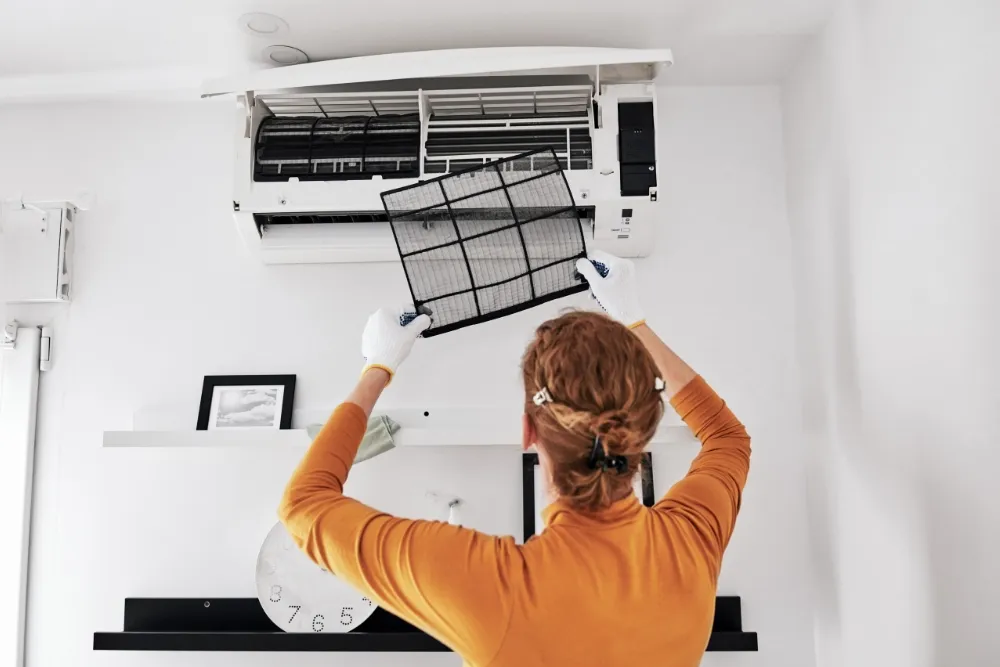
Clean or replace the air filters to allow smooth airflow and prevent the system from overworking. Filters blocked with dust or debris can make the unit work harder, reducing both cooling efficiency and air quality.
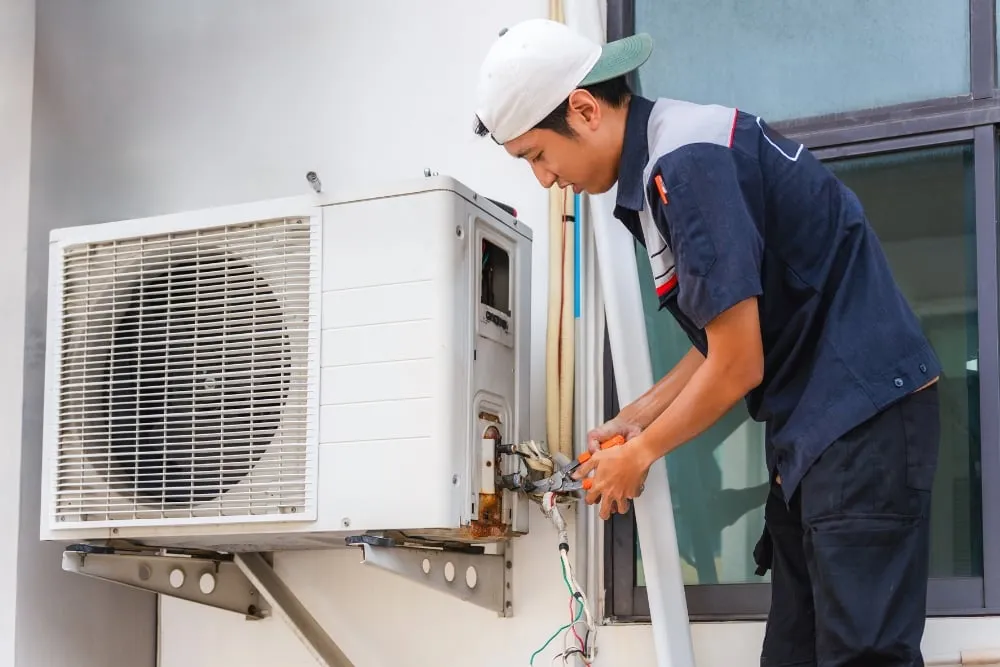
If it has been some time since your last service, now is the best moment to book one. A qualified technician can clean the coils, check gas levels, and ensure your system runs efficiently. Preventive servicing helps your air conditioner perform well during Newcastle’s hottest days and extends its working life.
Good shading and insulation help keep indoor spaces cooler for longer. Closing blinds or curtains during the day, especially on sun-facing windows, can block much of the heat before it enters. If your home has awnings, shutters, or shade sails, check that they are secure and ready to use before temperatures climb.
Sealing small gaps around doors and windows can also make a big difference. When hot air leaks in, your air conditioner has to work harder to keep rooms cool. Use simple fixes like door seals or weather strips to reduce energy loss and maintain a steady indoor temperature.
Combining shading and sealing not only improves comfort but also helps your system use less energy, which is especially important during long heatwaves across Newcastle and the Hunter.

Reducing heat inside the home helps your air conditioner cool more efficiently. Turn off lights and electronics when they are not needed, as they generate extra warmth. Avoid using ovens, stoves, or large appliances during the hottest parts of the day.
Ceiling fans can help spread cool air evenly and reduce the workload on your system. For homes with multi-split or ducted units, set the thermostat to a steady, comfortable level instead of running it at maximum power. This keeps the temperature consistent and helps your system maintain performance.
Small adjustments like these can make rooms feel cooler and help lower energy use, especially during Newcastle’s hottest summer periods.
Good airflow helps your air conditioner work more effectively. Make sure furniture, curtains, or indoor plants are not blocking vents or returns. Clear pathways allow cool air to move freely throughout the home and keep temperatures balanced across rooms.
Keep internal doors open where possible so that air can circulate naturally between spaces. If you notice one area feels warmer than others, check that vents are clean and open to allow better flow.
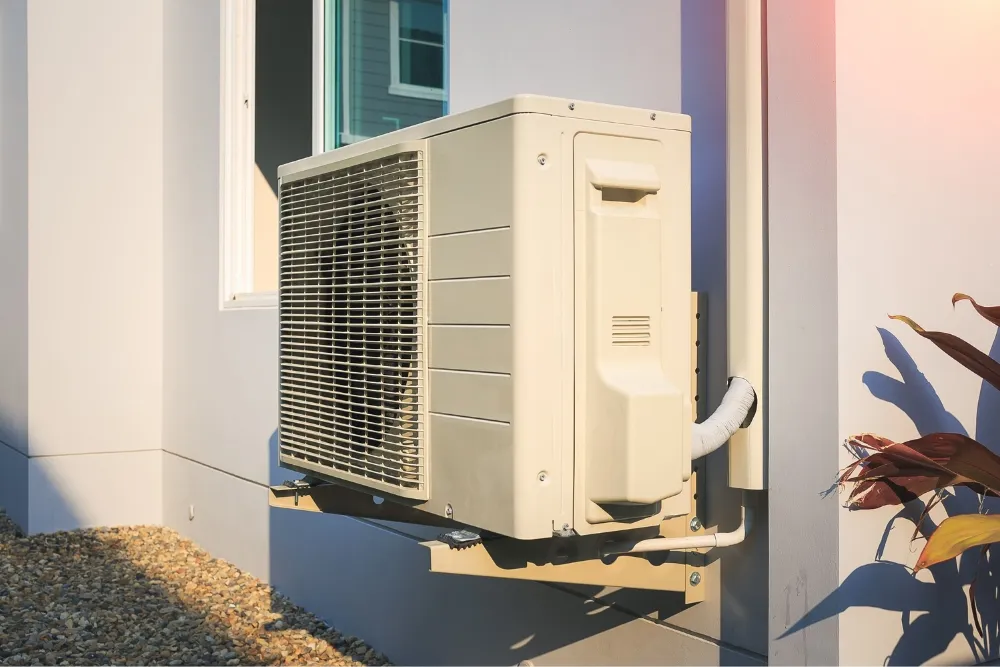
The outdoor unit also needs space to release heat. Remove leaves, dirt, or debris from around it, and ensure nothing is blocking the sides or top. A well-ventilated unit can release heat faster and maintain steady performance during long hot spells.
During heatwaves, power use across Newcastle often reaches its highest levels. Extra demand can cause voltage drops or short surges that affect home appliances, including air conditioners.
Protecting your system starts with small safety measures. Use surge protectors on key electrical outlets and ask an electrician to check that your switchboard is in good condition. A quick inspection can confirm that your wiring can safely handle the extra load during extreme heat.
If you are upgrading or installing a new unit, speak with your technician about the best power setup for your home. Proper connections and protection devices reduce the risk of damage and help your air conditioner stay reliable through heavy summer use.
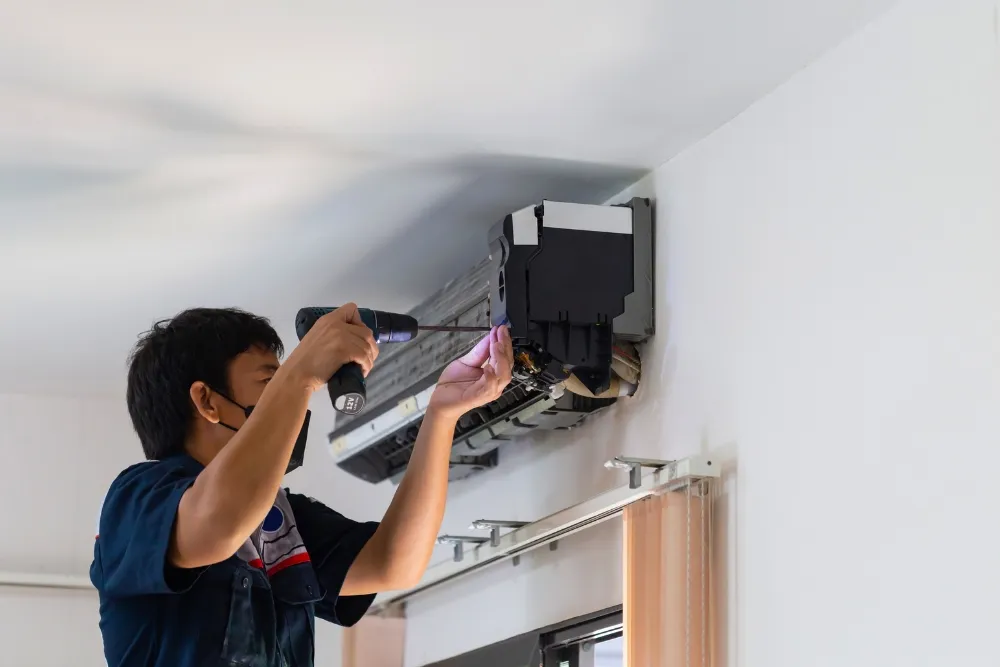
Even well-maintained air conditioning systems can struggle under extreme heat. If your unit stops cooling properly, leaks, or causes the circuit to trip, it is best to call a qualified technician instead of trying to repair it yourself.
Prompt attention can prevent further damage and restore comfort during the hottest conditions. A licensed professional can inspect the system, locate faults, and ensure everything is running safely and efficiently.
For quick assistance, contact our team to arrange an inspection or repair. Our local technicians can assess your system and get it back to working order before the next heatwave arrives.
Preparing for a heatwave takes only a small amount of time but can make a big difference when the temperature climbs. Checking your air conditioning system, improving shading, and keeping good airflow all help maintain comfort and reduce stress on your home during hot weather.
A few simple actions before summer can also prevent breakdowns and keep energy costs under control. Planning ahead means your system works efficiently and your home stays cooler for longer, even through extended heatwaves.
If you need professional support, Aircon Newcastle can service, upgrade, or repair your system before the next heatwave arrives. The team helps Newcastle homeowners stay ready for the season with expert advice and reliable service.
It’s best to check your air conditioning system and make small home adjustments a few weeks before the weather turns hot. This gives you time to clean filters, test airflow, and arrange professional servicing if needed.
Close curtains and blinds during the warmest hours, especially on sun-facing windows. Use ceiling fans to improve circulation and open windows in the evening to let cooler air in. Good shading and sealed gaps also help maintain comfort.
Continuous high temperatures place more pressure on cooling systems. Dirty filters, blocked vents, or poor airflow make it harder for your unit to keep up. Cleaning vents and ensuring the outdoor unit is clear of debris can help improve performance.
Most systems benefit from a full inspection once a year, ideally before summer. A technician can clean internal components, check refrigerant levels, and confirm that your system is ready for long periods of use.
Switch the system off, check the circuit breaker, and make sure there’s no visible damage. Avoid running it repeatedly if it won’t start. Contact a licensed technician to inspect and repair the unit safely.
18 December 2025
Learn simple ways to keep your cool room stable, energy friendly and dependable through every season.
27 September 2025
Upgrade comfort in older properties with practical ways to install modern air conditioning that improves efficiency and airflow across Newcastle and the Hunter.
5 September 2025
Keep your home comfortable and energy efficient with simple ways to balance air conditioning use and natural ventilation across Newcastle and the Hunter.
Questions about your own system, or thinking about an upgrade? Send an enquiry and the team will come back to you promptly. New installations start with a free quote.
Tell us what you need and the team will respond promptly, usually with the next step or a free quote.