How to Keep Your Cool Room Running Efficiently Year-Round
18 December 2025
Learn simple ways to keep your cool room stable, energy friendly and dependable through every season.

If you’re building a new home, planning your air conditioning system early can save you time, money, and stress down the track. It’s not just about choosing the right unit, it’s about making sure the system works efficiently with your home’s design, layout, and climate. Here’s a straightforward guide to help you plan for air conditioning during the construction phase.
Don’t wait until the house is built to think about air conditioning. Work with your builder, architect, and an experienced HVAC specialist during the design phase. Planning early means ductwork, electrical wiring, and units can be properly integrated, avoiding retrofitting headaches later.
Different homes suit different systems. Some options include:
A professional can assess your home’s size, layout, insulation, and your usage preferences to help you make the right choice.
Zoning allows you to cool specific areas at different times, which saves energy and improves comfort. For example, you might want bedrooms cooled at night and living areas during the day. Make sure your builder and HVAC installer discuss how zoning can be included in your ducted or multi-split system design.
Even the best air conditioner won’t perform well in a poorly insulated home. Include quality insulation in your roof, walls, and floors to reduce the load on your system and lower running costs. Good insulation will also help regulate temperature year-round.
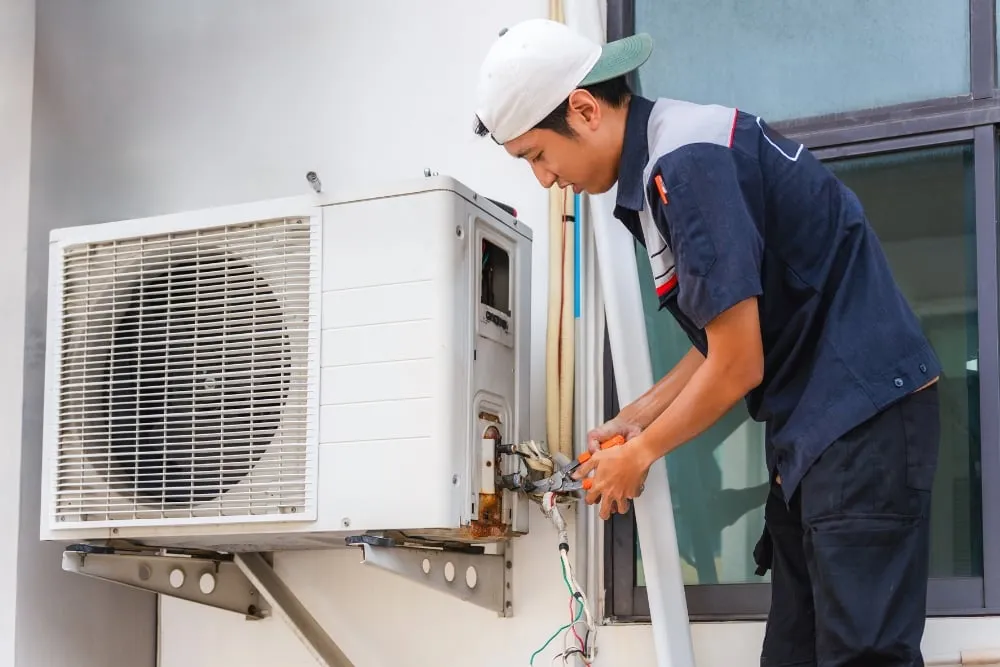
The outdoor condenser unit needs good airflow and easy access for maintenance, but it should also be placed out of the way and not near bedrooms or entertaining areas to reduce noise. Your installer will help identify the best location that suits both function and aesthetics.
For ducted systems, careful placement of vents and ducts ensures even air distribution and maximum efficiency. Vents should ideally be placed away from windows and in open areas of each room. Let your HVAC installer can work closely with your builder to get this right.
Quality matters, not just in the brand of system you choose but in how it’s installed. Working with licensed, experienced air conditioning professionals means the job will be done properly and meet building codes. They’ll also help with warranty registration and ongoing servicing.
Think long-term. If you’re not ready to install a full system now, consider pre-installing ductwork or conduits so adding one later won’t mean ripping through walls. It’s also a good idea to factor in future extensions or room conversions when planning your system size.

Getting the air conditioning right during the construction phase sets your home up for comfort, energy efficiency, and long-term savings. Early consultation with a qualified installer, thoughtful system selection, and collaboration with your builder are key.
To get expert advice and installation tailored to your new build, reach out to our Newcastle team for home cooling solutions.
18 December 2025
Learn simple ways to keep your cool room stable, energy friendly and dependable through every season.
1 November 2025
Get ready for the next heatwave with easy steps to keep your home cool and energy efficient. Prepare your air conditioner and improve comfort before summer arrives.
27 September 2025
Upgrade comfort in older properties with practical ways to install modern air conditioning that improves efficiency and airflow across Newcastle and the Hunter.
Questions about your own system, or thinking about an upgrade? Send an enquiry and the team will come back to you promptly. New installations start with a free quote.
Tell us what you need and the team will respond promptly, usually with the next step or a free quote.