How to Keep Your Cool Room Running Efficiently Year-Round
18 December 2025
Learn simple ways to keep your cool room stable, energy friendly and dependable through every season.

When the Australian summer hits hard, keeping cool becomes a top priority. Two of the most common ways to beat the heat are air conditioning systems and electric fans. Both serve the same purpose to make a space more comfortable, but they do so in very different ways. So, which is the better option?
Here’s a detailed comparison of air conditioning vs. fans, including the pros and cons of each. The right choice often depends on your lifestyle, space, budget, and climate.
Air conditioning cools a room by removing warm air, using refrigerants to cycle and release heat outdoors. It can cool large areas and maintain a specific temperature.
Fans, on the other hand, don’t lower the air temperature they create a wind-chill effect that makes you feel cooler by increasing evaporation from your skin. Ceiling fans, pedestal fans, and tower fans are common options, and they’re more portable and simpler than AC systems.
1. Effective Cooling in Hot Climates
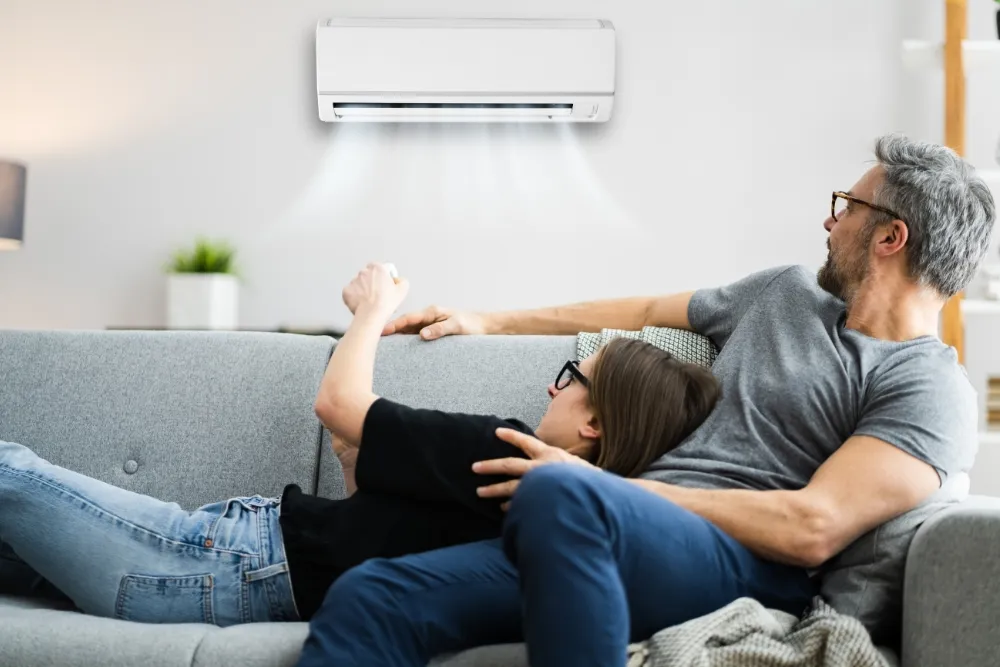
Air conditioning is hands-down more effective in high heat and humidity. It can drop the indoor temperature by several degrees and provide a consistent, comfortable climate, which is especially helpful for families with young kids, older adults, or health conditions.
2. Climate Control
Most modern systems offer heating and cooling, making them useful year-round. You can also control the exact temperature and use zoning to cool specific areas of your home.
3. Improved Air Quality
Air conditioners filter dust, pollen, and other particles as part of their cooling process. Some systems include built-in air purifiers that help reduce allergens and improve indoor air quality.
4. Better Sleep
Trying to sleep through a 30-degree night with no airflow isn’t fun. Air conditioning keeps bedrooms cool and quiet, promoting better sleep during hot summer nights.
5. Increases Property Value
A well-installed air conditioning system is a drawcard for buyers and renters. It adds long-term value to your home or investment property.
1. Higher Running Costs
Air conditioners consume more electricity than fans, especially if used all day. Depending on your system and usage, you may notice a significant spike in your power bills.
2. Installation Costs
Split systems or ducted air conditioners can cost thousands to install, depending on the size of your home. While it’s a worthwhile investment for many, it’s not always budget-friendly upfront.
3. Maintenance Required
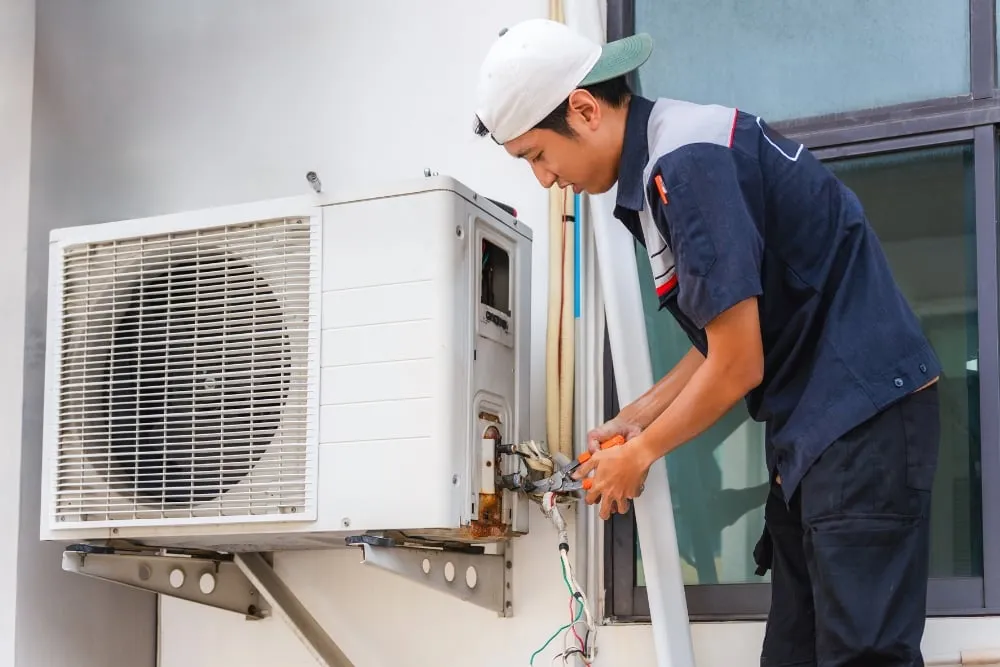
To keep your AC running well, regular servicing is needed. Filters should be cleaned every few months, and a professional service is recommended annually. For reliable service in Newcastle and the Hunter, our team provides expert support and maintenance for all types of home systems.
4. Environmental Impact
Older air conditioning units use refrigerants that can harm the environment if not handled properly. While newer systems are more eco-friendly, they still contribute to energy use and greenhouse emissions unless powered by renewable energy.
5. Can Dry Out Air
Running AC for long periods may dry out indoor air, leading to discomfort like dry skin or irritated eyes. This is especially noticeable in already low-humidity climates or in people sensitive to dry conditions.
1. Low Running Costs
Fans use far less electricity than air conditioners. A ceiling fan might cost only a few cents per hour to run, making it a cost-effective way to stay cool, especially when you’re not dealing with extreme heat.
2. Affordable to Buy and Install
Most fans are cheap to purchase and require little or no installation. Even ceiling fans are a relatively low-cost addition, and portable fans can be moved from room to room.
3. Energy Efficient
Because they don’t cool the air but simply move it around, fans use minimal energy. This makes them more environmentally friendly, especially if you’re trying to cut down your carbon footprint.
4. Great for Mild Conditions
In areas with moderate temperatures or during cooler evenings, a fan may be all you need. They also work well in combination with open windows to create cross-ventilation.

5. Safe for Rental Properties
Fans don’t require structural changes and can be used without landlord approval in most cases. They’re also a good option if you’re only staying short-term or on a tight budget.
1. Limited Cooling Ability
Fans don’t cool the air. When the temperature climbs above 30°C, they lose their effectiveness. They may even make things worse by circulating hot air around the room.
2. No Humidity Control
Fans do nothing to reduce humidity, which can leave your home feeling sticky and uncomfortable on hot, humid days. Air conditioning, by comparison, removes moisture from the air as it cools.
3. Noise Levels
Some fans can be noisy, especially older pedestal or box fans. This can be disruptive when sleeping, working from home, or watching TV.
4. Less Effective for Large Spaces
Fans work best in small rooms or as a personal cooling device. They’re not designed to cool entire homes or large open-plan areas, so you’ll often need one in each room to stay comfortable.
5. Doesn’t Improve Air Quality
Fans circulate existing air, which may contain dust, pollen, or odours. Unlike air conditioners with filters, fans can’t remove particles from the air and may even stir up allergens.
If you live in a hot or humid region like northern NSW or Queensland, air conditioning is likely the better long-term solution especially for families, larger homes, or those working from home. The comfort, climate control, and health benefits often outweigh the cost.
However, if your climate is milder, you’re renting, or you only need to cool one or two rooms occasionally, fans can be a perfectly adequate and more affordable option. They also pair well with air conditioning, using fans to circulate the cooled air can help you reduce how hard your AC has to work.
There’s no one-size-fits-all solution. Some homes are best suited to a combination of both. A ceiling fan in a bedroom might be fine for most of the year, with air conditioning available for hotter days. Understanding the strengths and limitations of each option can help you make a smarter decision for your home, your health, and your power bill.
If you’re ready to upgrade or install a new system, our team can help you choose the right solution based on your home design and budget.
18 December 2025
Learn simple ways to keep your cool room stable, energy friendly and dependable through every season.
1 November 2025
Get ready for the next heatwave with easy steps to keep your home cool and energy efficient. Prepare your air conditioner and improve comfort before summer arrives.
27 September 2025
Upgrade comfort in older properties with practical ways to install modern air conditioning that improves efficiency and airflow across Newcastle and the Hunter.
Questions about your own system, or thinking about an upgrade? Send an enquiry and the team will come back to you promptly. New installations start with a free quote.
Tell us what you need and the team will respond promptly, usually with the next step or a free quote.